↳Services
Six services, one standard.
Each service can be engaged on its own or combined. For each one, here is what it is for, what it typically covers, how we deliver it and what it can mean for your organisation.
- 01Custom software development
- 02Web application development
- 03Cloud and infrastructure services
- 04API development and systems integration
- 05Quality assurance and testing
- 06Technical maintenance and support
01Service
Custom software development
Software designed around your specific processes when standard products cannot support them well.

Typical scope
- Internal business platforms
- Back-office and administration systems
- Data processing services
- Customer-facing products
Delivery approach
We model the domain with you, agree a prioritised scope, and deliver in short increments with regular demonstrations and code review.
Practical benefits
- — Tools that match how your team works
- — Fewer manual workarounds
- — Full ownership of code and data
02Service
Web application development
Browser-based applications that give customers, partners or staff a clear way to complete their tasks.
Typical scope
- Customer portals and dashboards
- Booking, ordering and request systems
- Internal tools
- Front-end modernisation of existing apps
Delivery approach
Interfaces are designed around real tasks, built with accessible and responsive markup, and connected to well-defined back-end APIs.
Practical benefits
- — Works on desktop, tablet and mobile
- — No installation required for users
- — Easier onboarding through clear interfaces
03Service
Cloud and infrastructure services
Hosting environments and delivery pipelines that make applications predictable to run and update.
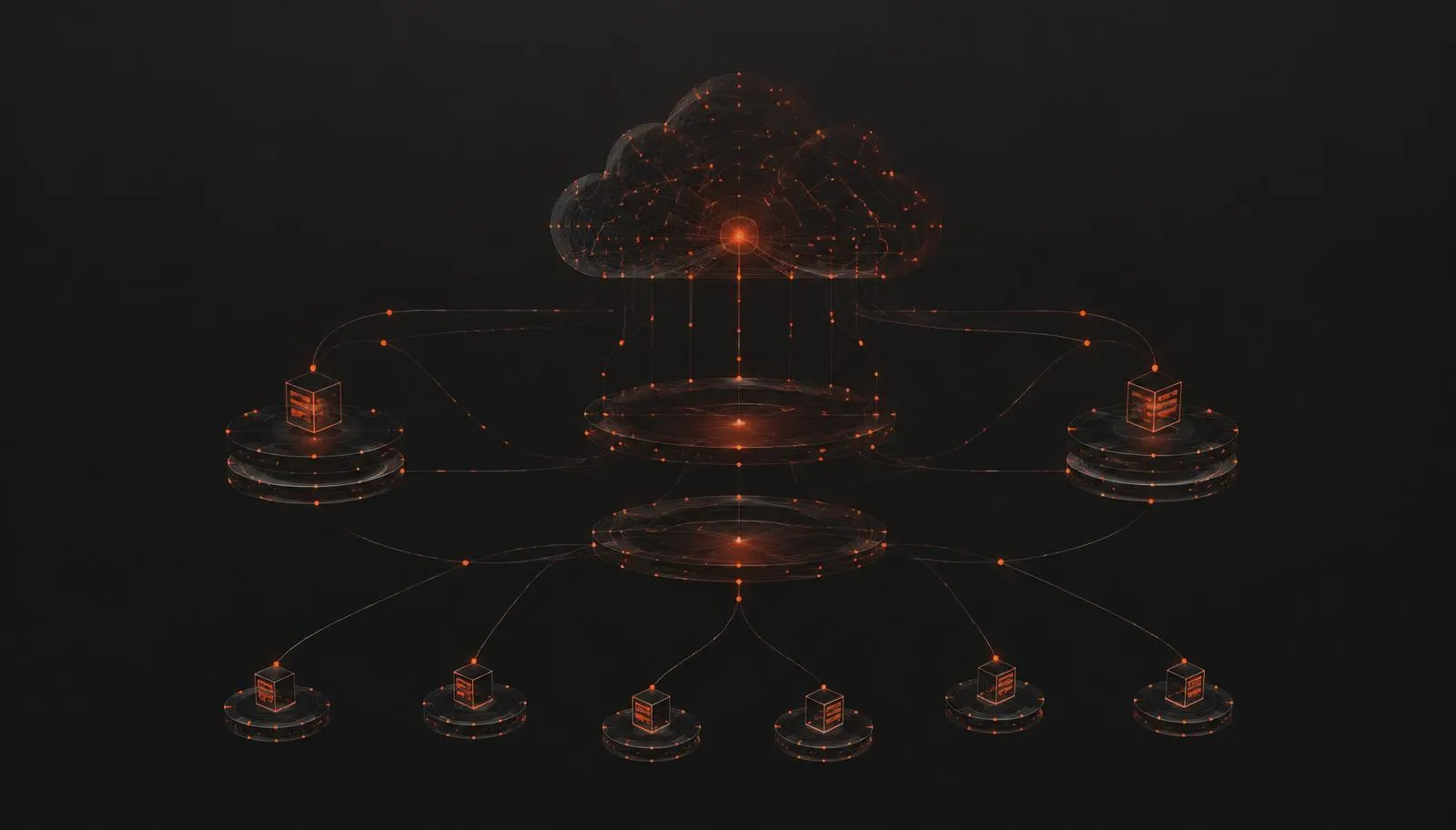
Typical scope
- Cloud environment setup and review
- Containerisation and deployment
- CI/CD pipelines
- Monitoring, logging and backups
Delivery approach
We document the current state, propose improvements, and describe infrastructure as code where practical so changes are reviewable and repeatable.
Practical benefits
- — Repeatable, lower-risk deployments
- — Better visibility into system health
- — Clearer understanding of infrastructure costs
04Service
API development and systems integration
Reliable connections between the applications and data sources your organisation already uses.
Typical scope
- Custom REST APIs
- Third-party service integrations
- Data synchronisation between systems
- Workflow automation
Delivery approach
We map systems and data flows, define interfaces and error handling, then implement connectors with logging so every exchange can be traced.
Practical benefits
- — Less duplicate data entry
- — More consistent data across tools
- — Time freed from repetitive tasks
05Service
Quality assurance and testing
Confidence that software behaves as intended before and after each release.

Typical scope
- Test strategy and planning
- Automated unit, integration and end-to-end tests
- Manual exploratory testing
- Review of existing test coverage
Delivery approach
Testing is integrated into development from the start, with automated checks running in the delivery pipeline and focused manual testing on key journeys.
Practical benefits
- — Issues found earlier, when cheaper to fix
- — Calmer, more predictable releases
- — Safer changes to existing code
06Service
Technical maintenance and support
Ongoing care that keeps software secure, current and useful after launch.
Typical scope
- Dependency and security updates
- Monitoring and incident response
- Bug fixing
- Incremental improvements
Delivery approach
Support arrangements are agreed in advance, including how requests are submitted, prioritised and reported on.
Practical benefits
- — Systems stay up to date
- — A known point of contact for technical issues
- — Steady improvement instead of large rewrites
Outcomes depend on each project's context, scope and existing systems. We discuss realistic expectations in writing before any work begins.